

Lawyer Aliaa Behbehani Offices
An Office Built to Keep Secrets.
A legal practice sells trust before it sells anything else, and trust starts with the room a client is shown into. This 750 sqm office in Bneid Al Gar was designed so every space projects authority on sight, while the walls themselves — not just the staff — protect what gets said inside them.
A sophisticated legal workplace where classic authority meets contemporary architectural precision.
The client needed a prestigious, highly functional workspace that exudes authority while maintaining confidentiality and comfort for high-profile legal clients.
A law office has a harder brief than most workplaces: it has to look and feel authoritative to a client walking in for the first time, while guaranteeing that nothing said in a meeting room travels beyond it. Those two goals usually pull a design in opposite directions — grandeur reads as open, privacy reads as closed off.
The resolution here was material, not spatial. Rich wood tones and considered furnishings do the work of projecting authority, while acoustic paneling built into private offices and meeting rooms — invisible to a visitor — does the work of protecting confidentiality. Delivered in four months, the office had to be fully operational and fully soundproofed from the day it opened; there was no phased option for a working legal practice.
Utilizing rich, warm wood tones contrasted with sleek modern furnishings to create an atmosphere of trust and modernity.
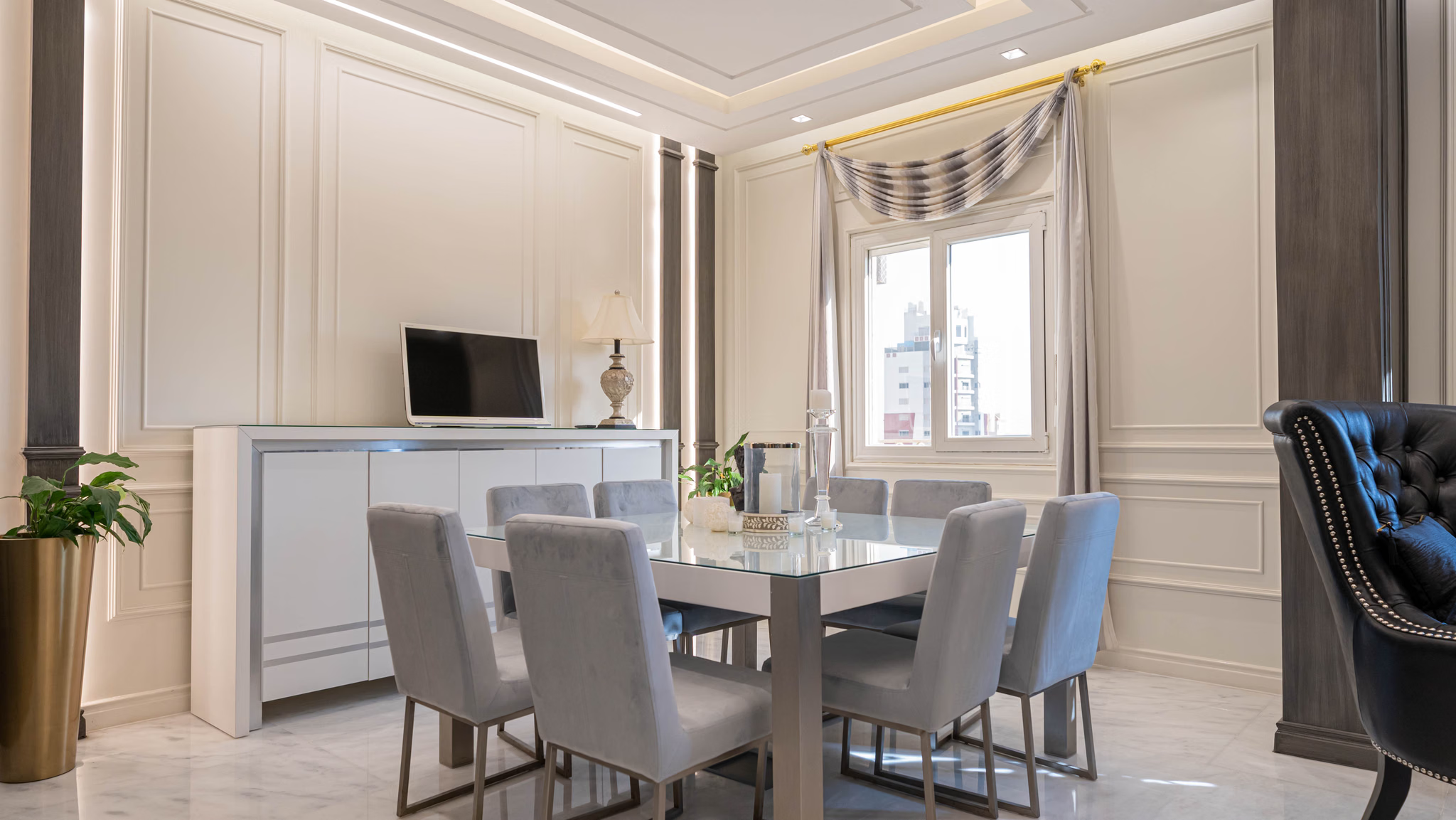
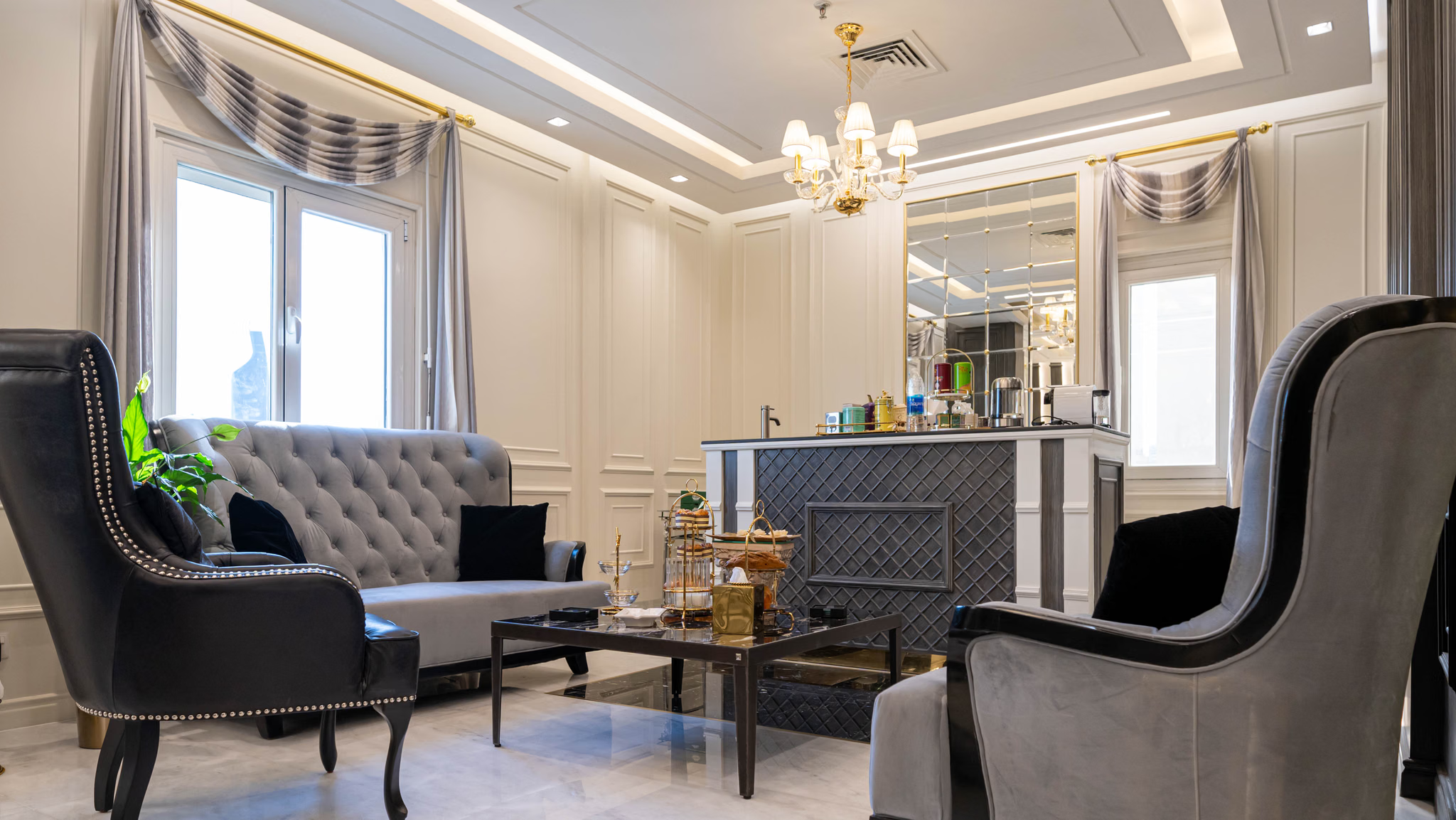
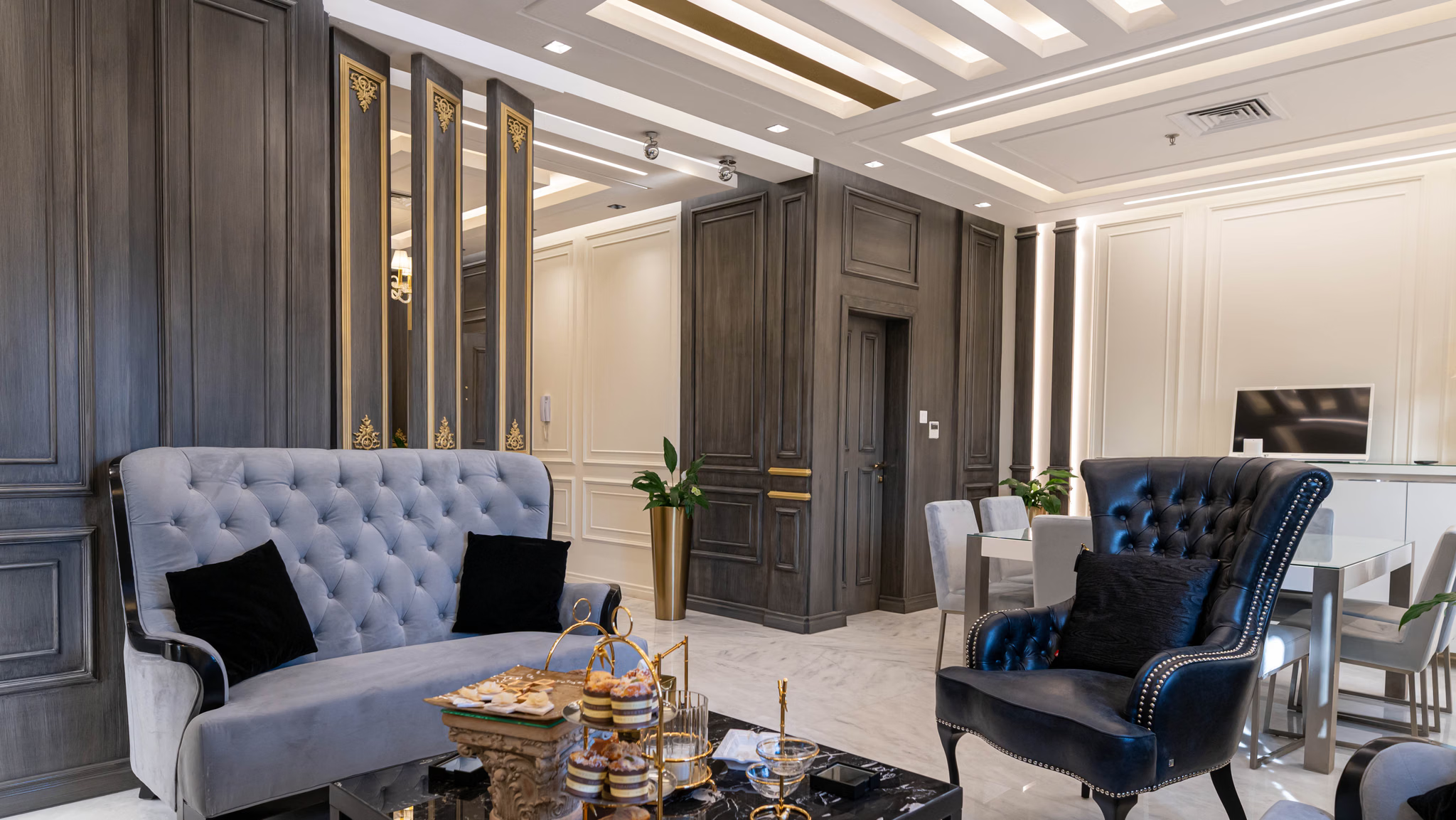
Authority and privacy were treated as two different design problems solved with two different tools: warm materials and considered furnishings for the first, acoustic engineering built into the walls for the second. Neither is visible as a separate layer — a client experiences the room, not the acoustic treatment behind it.
Implementing advanced acoustic insulation throughout the private offices and meeting rooms to ensure absolute client confidentiality.
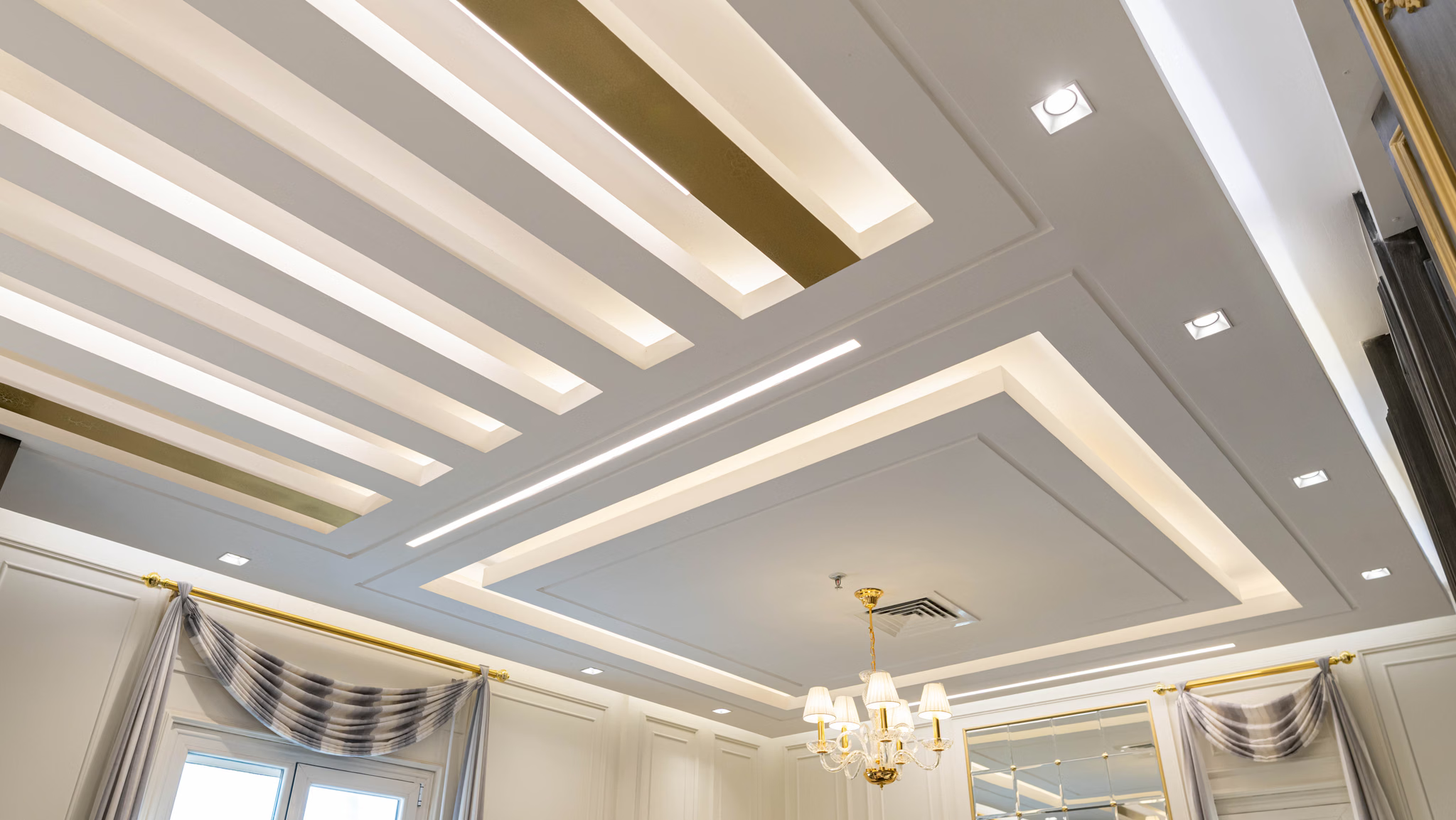
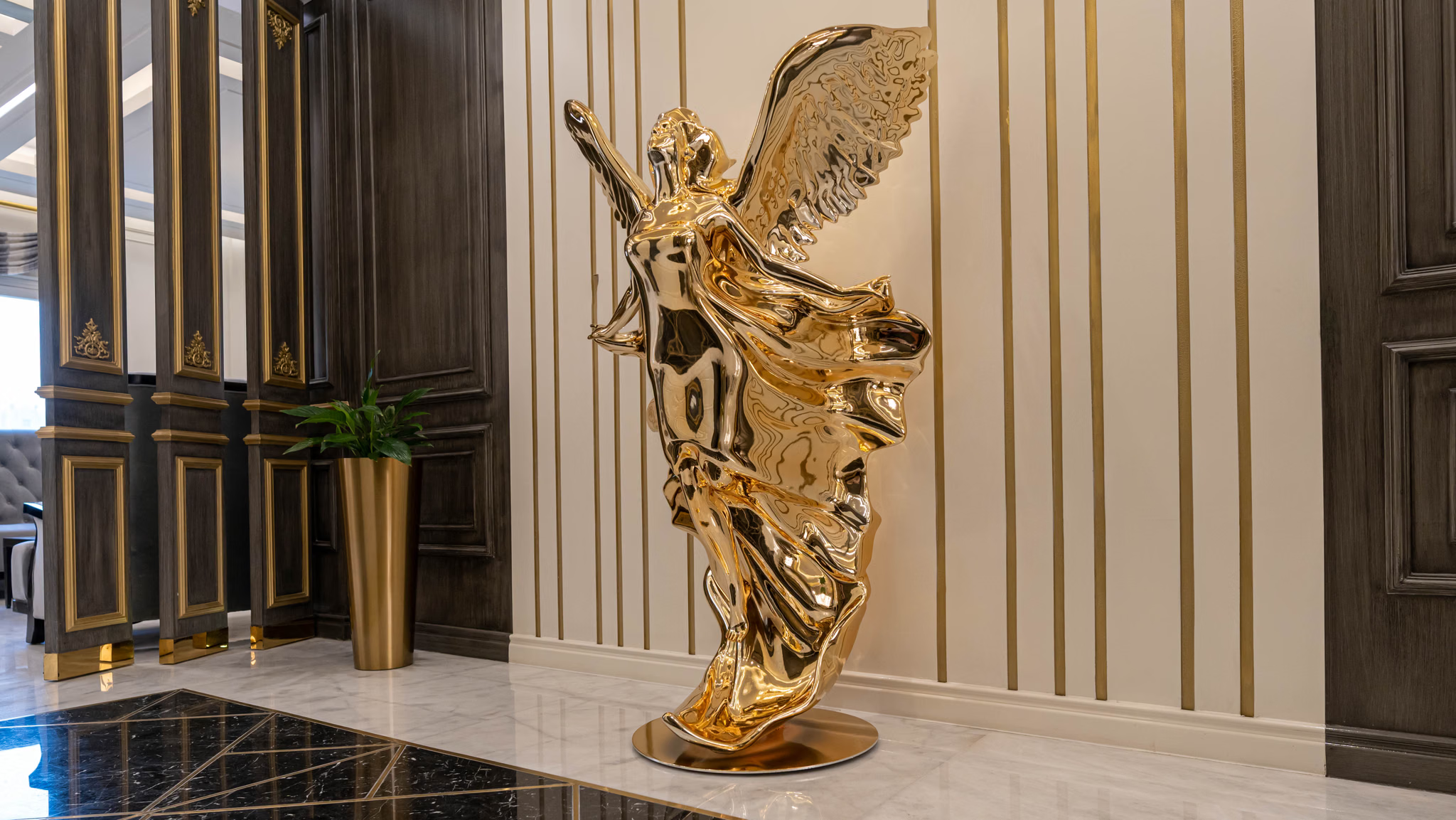
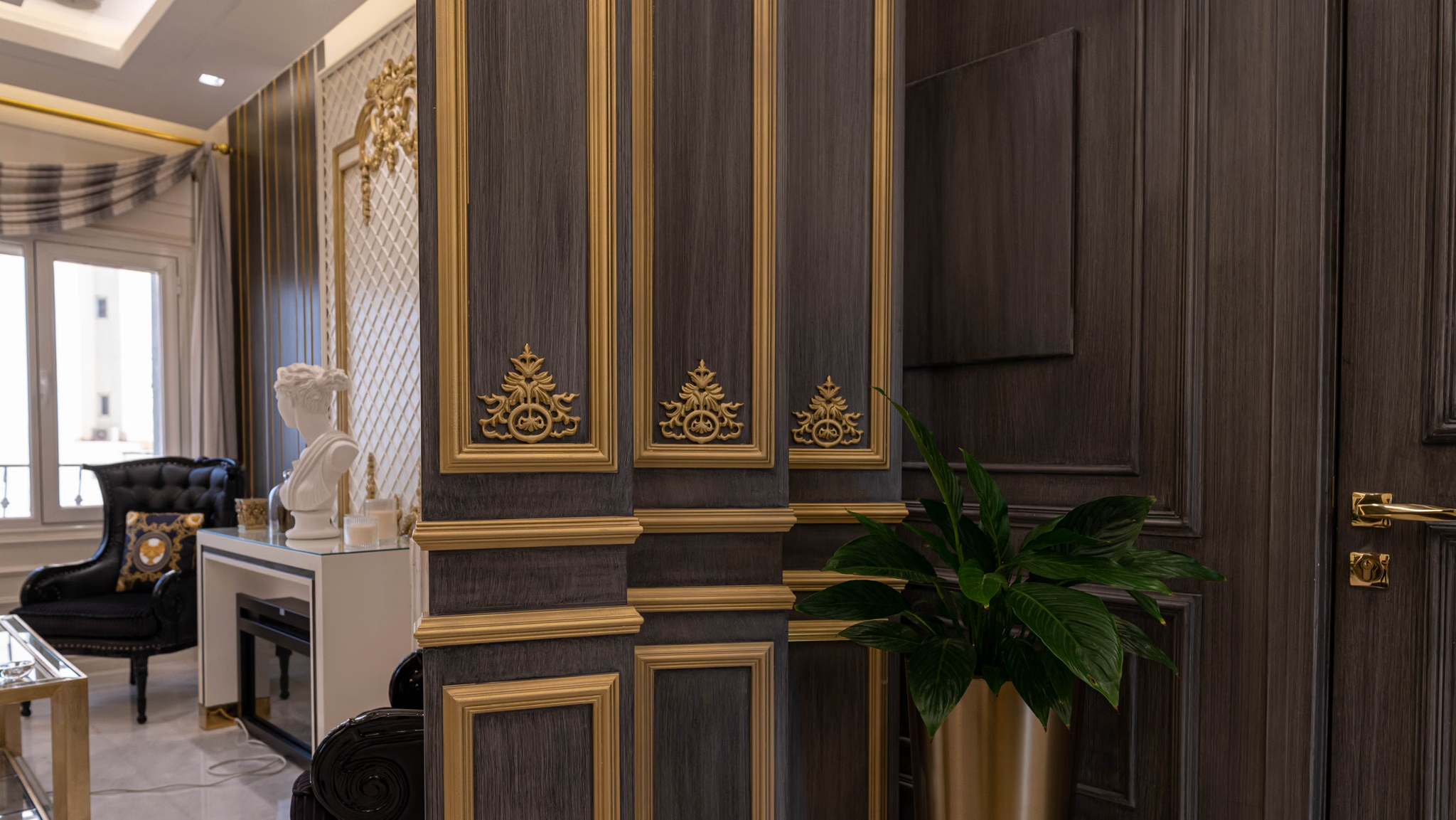
- Created a highly professional and secure environment
- Enhanced the firm's premium brand identity
- Optimized spatial flow for staff and clients
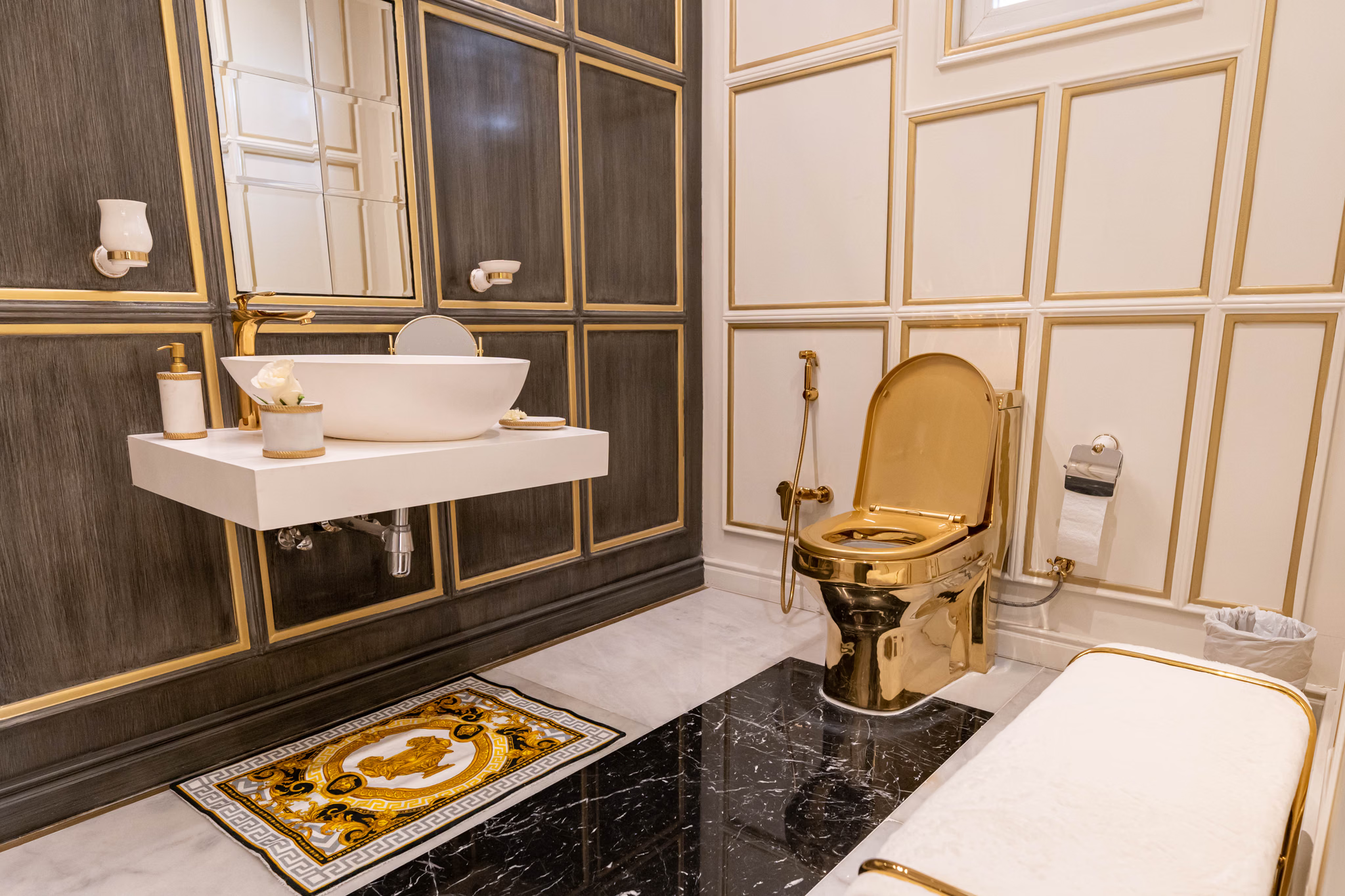
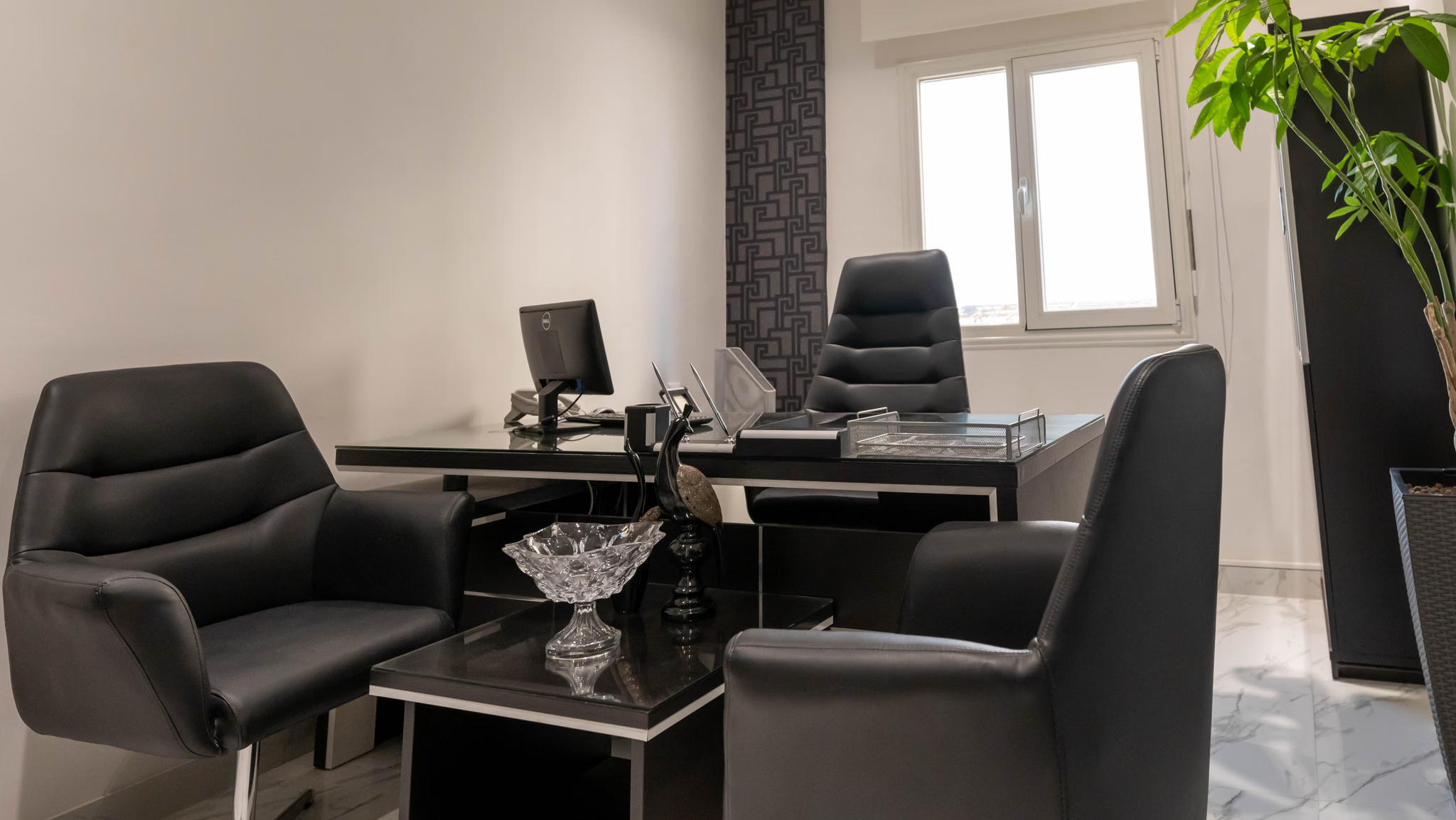
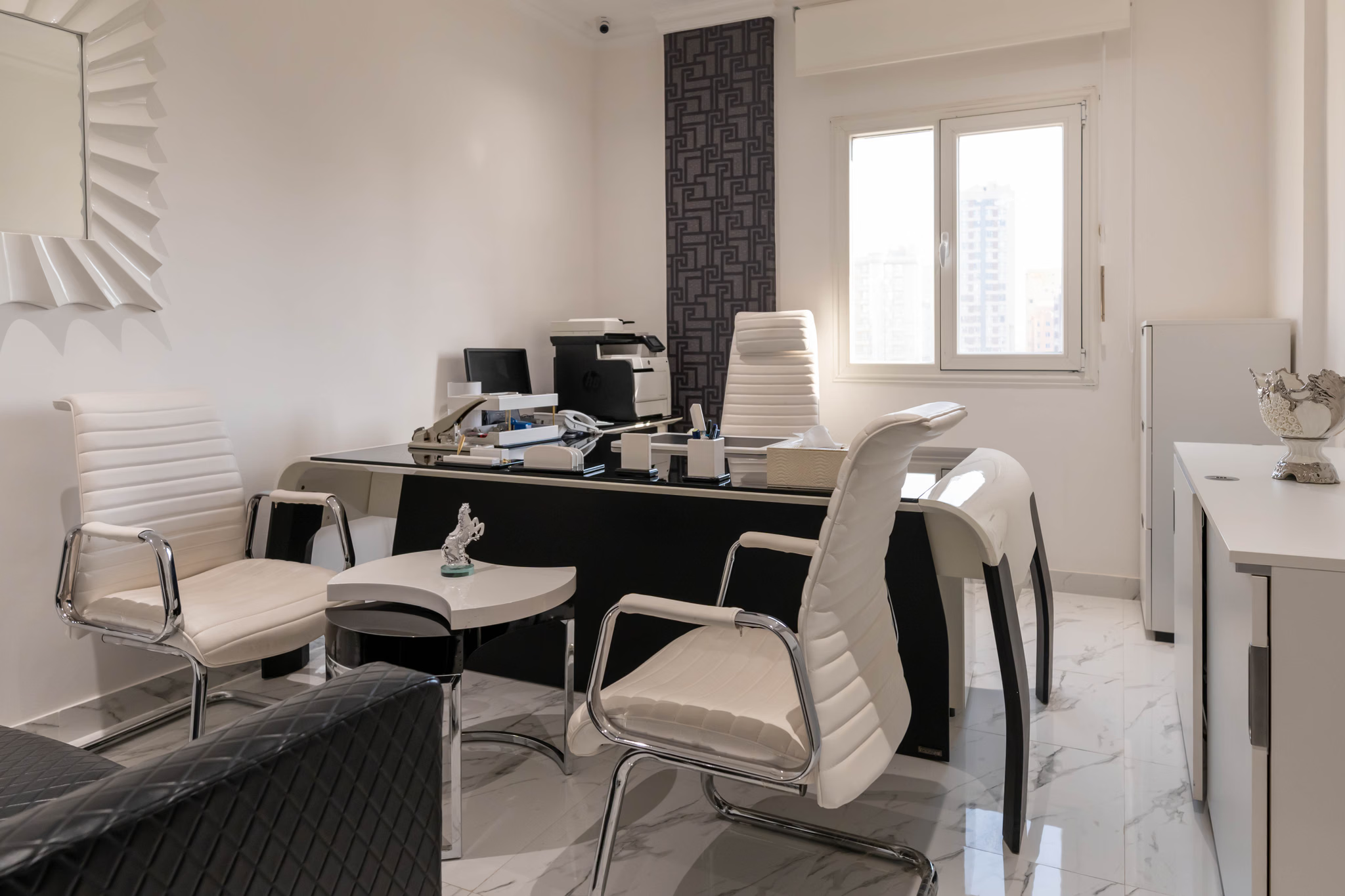
Most office fit-outs optimize for how a space looks. This one had to optimize equally for what a space doesn't let through the walls — a requirement specific to legal practice that shaped construction decisions most workplace projects never have to make.
- A four-month timeline held for a fully operational legal practice
- Acoustic performance built in during construction, not retrofitted
- A single design and fit-out partner for every space in the office
How long did the office fit-out take?
Four months, from design through handover.
How was client confidentiality addressed architecturally?
Through acoustic paneling integrated into the private offices and meeting rooms during construction, not added afterward.
What was the design approach?
Rich wood tones paired with sleek modern furnishings, creating an atmosphere of authority and trust for high-profile legal clients.
Designing a Practice Where Discretion Matters?
Let's talk about a workplace that protects what's said inside it, not just how it looks.
Start a conversation →Chat on WhatsApp (AHW Architects Masr) →Chat on WhatsApp (AHW Architects) →Download company profile (PDF)